
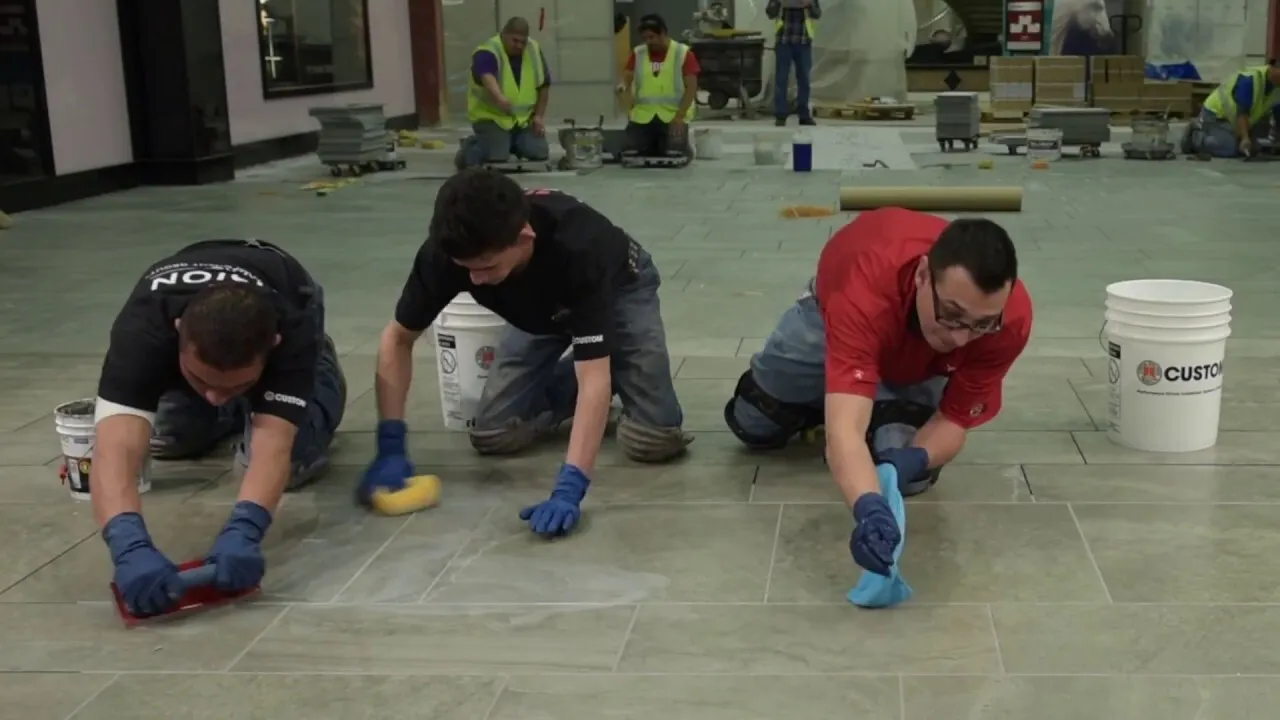
Tile installation is booming across Seattle in 2026 — and not just for aesthetic upgrades. Tile is one of the only materials that can handle our region’s moisture, seasonal temperature changes, and constant wear without breaking down. But what most homeowners eventually discover is that tile success depends far more on the installer than the tile itself.
A perfectly chosen tile can fail within months if installed poorly.
A mid-range tile can look stunning for decades when installed correctly.
Seattle’s unique climate, home styles, and building structures make tile installation more technical here than in many other cities. That’s why homeowners are searching for guidance — and this guide is the most complete, updated resource for anyone planning tile work in Seattle.
1. Why Tile Installation Matters So Much in Seattle’s Climate
Seattle experiences year-round moisture, heavy rain, humidity retention, and temperature fluctuations. These environmental elements affect every tile project.
Homes across the Greater Seattle region especially in areas like Bellevue, Issaquah, Newcastle, Sammamish, Bonney Lake, Cottage Lake, Bainbridge Island, North Bend, Redmond, Duvall, Bothell, Black Diamond, Carnation, Preston, Shoreline, Monroe, Maple Valley, Auburn, Vashon Island, Snoqualmie, and Fall City often come with their own unique quirks. Many of these communities have homes built decades ago, cabins that have been modernized over time, or newer constructions with complex architectural designs. It’s common to see uneven floors, aging subfloors, settling foundations, plaster or drywall variations, and older waterproofing layers that require correction before tile can be safely installed.
Seattle’s climate challenges include:
- High moisture levels year-round
- Slower drying times during install
- Seasonal expansion and contraction
- Mold and mildew risks in poorly ventilated areas
- Older homes with shifting subfloors
Tile works beautifully in these conditions — but only if installed by someone who truly understands Seattle construction.
2. Tile Trends Seattle Homeowners Love in 2026
Seattle’s design preferences lean toward comfort, texture, simplicity, and warm, natural tones. Homes here balance modern minimalism with Pacific Northwest coziness.
Here are the biggest 2026 tile trends:
Large-Format Porcelain
- Adds personality to backsplashes
- Light-reflecting and warm
Stone-Look Porcelain
- Marble elegance without maintenance
- Perfect for floors and showers
Matte & Textured Finishes
- Soft, modern, easy on the eyes
- Better traction in bathrooms
Porcelain Slabs
- Minimal seams
- Spa-like luxury
These styles fit Seattle’s natural color palette and align beautifully with Pacific Northwest architecture.
3. Kitchen Tile Installation Services in Seattle
Kitchens are more than cooking spaces — they’re gathering spaces. Seattle kitchens often combine modern convenience with character, making tile one of the most important finishing elements.
A high-quality kitchen tile installation relies on planning, precise cutting, and alignment.
Key installation details professionals focus on:
- Lining tiles perfectly with cabinets
- Clean, symmetrical cuts around outlets
- Proper spacing and grout consistency
- Ensuring tile edges sit flush with countertops
- Choosing grout that resists stains from cooking
- Creating layouts that visually enlarge smaller kitchens
Seattle kitchens often have multiple outlets, uneven walls, and unique layouts. A skilled installer transforms these challenges into beautiful results.
4. Bathroom Tile Services for Seattle Homes
Bathrooms require more than style — they demand moisture control. Seattle bathrooms stay humid longer, and without the right tile installation techniques, walls and floors can deteriorate.
Professionals evaluate:
- Wall flatness and structural integrity
- Moisture-prone corners
- Ventilation behavior
- Proper backing before tile is applied
Once prepared, the tile layout becomes the heart of the design. Since many Seattle bathrooms are compact, layout planning helps create openness, symmetry, and visual flow.
Strong bathroom tile installation includes:
- Waterproof backing on walls
- Correct tile transitions
- Smart placement of niches and shelves
- Slip-resistant flooring for safety
- Grout that resists moisture and stains
A well-installed bathroom feels clean, bright, and solid for years.
4. Read Google Reviews… Carefully
Reviews reveal more than the installer ever will.
Look for patterns like:
Reviews are the most honest preview of your future experience.
5. Confirm Who Will Actually Be Doing the Work
Many companies send subcontractors you’ve never met.
Some bring random workers.
Others outsource tile work entirely.
BIG red flag.
For Kitchen Tile Installation Services and Flooring Tile Installation, consistency matters.
You want:
- A trained installer
- Not a temporary crew
- Not a last-minute hire
- Not a subcontractor
.
5. Shower Tile Installation Services — Seattle’s Most Technical Tile Work
If one area separates amateurs from professionals, it’s the shower. A shower is constantly exposed to water, heat, humidity, and pressure. Poor installation leads to leaks, mold, structural damage, and extremely expensive repairs.
A shower must be 100% waterproof before a single tile is placed.
A professional Seattle shower installation includes:
- Full waterproofing membranes
- Sealed corners and seams
- Proper pan construction
- Controlled slope toward drain
- Waterproof niches and benches
- Mold-resistant grout
- Seamless transitions between planes
- Clean, even tile spacing
Shower failures in Seattle are common when people hire general contractors or handymen instead of tile specialists. Professional shower tile installation is an art form — and your home’s health depends on it.
6. Flooring Tile Installation for Seattle Homes
Seattle homes, especially older ones, often have uneven or flexible subfloors. This makes flooring tile installation a highly technical task requiring precision and planning.
Professionals check for:
- Deflection levels (floor movement)
- Existing moisture under the surface
- Subfloor strength
- Level inconsistencies
- Transition height to other flooring
Once the foundation is corrected, tile can be installed to create a floor that feels smooth, stable, and luxurious underfoot.
Tiles like porcelain wood-look planks have become extremely popular in Seattle living rooms, hallways, mudrooms, and basements because they combine warmth with durability.
7. The Best Tile Materials for Seattle Homes
Every tile behaves differently — and Seattle’s climate emphasizes those differences.
Choosing the right material is crucial.
Porcelain
- Most durable
- Scratch-resistant
- Great for floors, kitchens, showers
- Handles heating systems perfectly
Ceramic
- Lightweight and affordable
- Best for backsplashes
Natural Stone
- Highest-end look
- Needs sealing
- Adds value to the home
Glass
- Great for color and artistic finishes
- Best suited for accent walls and backsplashes
Mosaic
- Great for shower floors
- High traction
Professionals help you choose tiles that fit your lifestyle and the demands of your specific space.
8. How Tile Installers Prepare Seattle Homes Before Installation
Tile installation success depends on preparation more than anything.
A high-quality prep process includes:
- Examining existing surfaces
- Checking moisture levels
- Correcting structural dips or bumps
- Reinforcing floors
- Ensuring walls are straight and true
- Choosing the right bonding materials
Seattle homes often require floor leveling or backer board reinforcement. Good installers communicate this clearly instead of rushing into installation.
9. How to Choose the Right Tile Installer in Seattle
Choosing the right installer can mean the difference between a flawless tile installation and long-term issues. Seattle homeowners are becoming more selective — and they should.
Here’s what separates great installers from average ones:
Experience
Tile specialists — not general handymen — produce the best results.
Waterproofing Skills
This is essential in Seattle.
A pro explains their waterproofing system confidently.
Real Portfolio
Not Pinterest photos — actual Seattle homes they’ve worked on.
Reviews That Tell a Story
Detailed reviews from real customers indicate trustworthy work.
Communication
Professionals:
- explain timelines
- answer questions with confidence
- update you during the project
- keep the workspace clean
Transparency
A real pro:
- explains the process
- details materials used
- notices potential problems early
- respects your home
No Subcontracting Chaos
Your installer should be onsite, not outsourcing everything without your knowledge.
Choosing carefully protects your home — and your investment.
10. Seattle Tile Stores Homeowners Love
Seattle has excellent tile showrooms where homeowners can see materials in person.
Popular choices include:
- Statements Tile (Seattle)
- Pental Surfaces (Seattle)
- Seattle Tile Company
- Tile Lines (Kent)
These places help homeowners visualize ideas and compare materials.
Choosing the right tile installer isn’t about finding the cheapest bid — it’s about finding the team you can trust with a space you use every day. The truth is, quality tile work lasts decades, and the installer you choose will determine whether your home feels beautifully finished or constantly frustrating.
If you want a team that treats your home with care, respects your time, and delivers craftsmanship that genuinely lasts, NWTile is one of Seattle’s most trusted names for kitchen, bathroom, shower, and flooring tile installations.

FAQ for Seattle Tile Installations
Why does tile cost vary so much?
Factors include tile type, preparation needs, layout complexity, and waterproofing requirements.
How long do tile installations last in Seattle?
A properly installed tile surface can last decades.
Are large-format tiles good for Seattle homes?
Yes. They reduce grout lines and achieve a modern, luxurious look.
Can tile be installed over old floors?
Only if the old surface is stable, dry, and adequately prepared.
Do showers need waterproofing even if using porcelain?
Absolutely — tile is not waterproof. Waterproofing behind it is essential.